


 英语
英语 俄语
俄语 西班牙语
西班牙语
Contenido
- 1 Qué hacen realmente los aditivos para plásticos
- 2 Los principales tipos de aditivos para plásticos
- 3 Rangos de dosis típicos: por qué un poco es suficiente
- 4 Donde la resina se encuentra con los aditivos: lecciones de los recubrimientos en polvo
- 5 Escenarios de aplicación y puntos de selección
- 6 Riesgos comunes de adquisición con aditivos para plásticos
- 7 Explora más de BESD
Una pieza de plástico moldeada o extruida típica contiene mucho más que su polímero base: la mayoría de las formulaciones comerciales llevan entre cinco y quince aditivos diferentes para plásticos, dosificados desde unas pocas centésimas de porcentaje hasta más de un tercio del peso total. Ése es el hecho más útil a tener en cuenta al evaluar cotizaciones de compuestos, masterbatches o productos recubiertos, porque explica por qué dos grados con el mismo nombre de polímero pueden comportarse de manera completamente diferente en servicio. La breve conclusión es la siguiente: la resina fija el límite de lo que una formulación puede lograr, mientras que el paquete de aditivos decide qué tan cerca se llega realmente a ese límite.
Esta guía analiza las principales familias de aditivos, sus ventanas de dosificación realistas, la forma en que los aditivos interactúan con la resina sobre la que se basan y los riesgos de adquisición que aparecen con mayor frecuencia en el abastecimiento B2B. La perspectiva es deliberadamente práctica. Como fabricante de resinas de poliéster para recubrimientos en polvo, pasamos todos los días laborables en el límite entre la columna vertebral de la resina y el paquete de aditivos, y los hábitos que hacen que las formulaciones de recubrimientos tengan éxito se transfieren directamente a los compuestos de plásticos.
Los aditivos deciden cómo se comporta un polímero en su entorno real; la resina decide lo que es posible en primer lugar. Califican ambos juntos, nunca por separado.
Qué hacen realmente los aditivos para plásticos
Los aditivos para plásticos existen para realizar una de dos funciones: cambiar el comportamiento del material en el producto final o cambiar cómo se comporta durante el procesamiento. Los aditivos de rendimiento extienden la vida útil y la apariencia, siendo los antioxidantes, estabilizadores UV, retardantes de llama y plastificantes los ejemplos clásicos. Los aditivos de procesamiento, incluidos lubricantes, auxiliares de proceso y estabilizadores de calor, protegen la masa fundida y el equipo mientras se fabrica la pieza. Una formulación bien construida utiliza ambos, generalmente combinando de tres a ocho familias a la vez.
Es igualmente importante tener claro lo que los aditivos no pueden hacer. Un estabilizador puede retardar la degradación, pero no puede hacer que un polímero inherentemente frágil sea resistente, y un agente de flujo no puede compensar una resina cuya viscosidad fundida es incorrecta para la geometría de la pieza. Los aditivos también cuestan más por kilogramo que la mayoría de los polímeros básicos, a menudo muchas veces más, por lo que deben juzgarse en función del costo de uso: una fracción de un porcentaje del estabilizador adecuado que evita un reclamo de garantía es barato, mientras que un relleno muy cargado que ahorra dinero pero destruye la resistencia al impacto es caro.
Es por eso que los formuladores experimentados tratan el paquete de aditivos y la resina base como una única decisión. Cuando se cambia la resina, las ventanas de dosificación de casi todos los aditivos en la formulación cambian con ella, que es el tema en el que se basa el resto de este artículo.
Juzgue los aditivos según el costo de uso en lugar del precio por kilogramo, y califíquelos siempre según la resina específica sobre la que se utilizarán.
Los principales tipos de aditivos para plásticos
Cualquier manual de aditivos tiene cientos de páginas, pero el trabajo de formulación diario gira en torno a un conjunto compacto de familias. Las tarjetas a continuación resumen los que encontrará con más frecuencia en cotizaciones, hojas de datos técnicos y discusiones con proveedores, en orden aproximadamente descendente de la frecuencia con la que deciden si un proyecto tiene éxito.
Plastificantes
Ésteres de bajo peso molecular que se insertan entre cadenas de polímeros para ablandar plásticos rígidos; los caballos de batalla del cable y la película de PVC flexible.
Antioxidantes
Fenoles y fosfitos impedidos que interceptan radicales y protegen el polímero durante el procesamiento por fusión y el envejecimiento térmico a largo plazo.
Estabilizadores de luz y rayos UV
Absorbedores de rayos UV y estabilizadores de luz de aminas impedidas, conocidos como HALS, que retardan la fotodegradación durante la exposición al aire libre.
Estabilizadores de calor
Sistemas de calcio-zinc y organoestaño que evitan que el PVC libere ácido clorhídrico y se decolore a las temperaturas de procesamiento.
Retardantes de llama
Sistemas libres de minerales, fósforo y halógenos que aumentan la resistencia a la ignición; A menudo es el componente más grande después del propio polímero.
Lubricantes y auxiliares de proceso.
Jabones metálicos, ceras y auxiliares a base de fluoropolímeros que controlan la viscosidad del fundido, la liberación y el acabado de la superficie durante el modelado.
Rellenos y refuerzos
Carbonato de calcio, talco y fibra de vidrio que añaden rigidez, controlan la contracción y reducen el costo del material.
colorantes
Pigmentos inorgánicos y orgánicos diseñados para brindar opacidad, resistencia a la intemperie y cumplimiento normativo.
Aditivos funcionales para superficies
Agentes antideslizantes, antiestáticos, antivaho, antimicrobianos y nucleantes que ajustan el comportamiento de la superficie y la claridad óptica.
Dos distinciones dentro de esta lista importan más que el resto. En primer lugar, los paquetes de antioxidantes generalmente se construyen como un par: un fenol primario impedido maneja el envejecimiento a largo plazo mientras que un fosfito secundario protege la masa fundida durante el procesamiento, y los dos se sintonizan juntos en lugar de elegirse de forma independiente. En segundo lugar, la protección UV es un sistema y no un solo producto, porque los absorbentes de UV filtran la luz entrante mientras que los HALS reparan el daño que aún ocurre, y ambos interactúan con los pigmentos que los rodean.
| familia aditiva | Función primaria | Nivel de uso típico | Vigilancias comunes |
|---|---|---|---|
| Antioxidantes | Prevenir la oxidación térmica durante el procesamiento y el servicio. | 0,05 a 0,5 por ciento | La sobredosis puede decolorar la pieza o provocar que la superficie florezca. |
| Estabilizadores de luz y rayos UV | Fotodegradación lenta en exteriores | 0,2 a 1,5 por ciento | El negro de humo y algunos pigmentos reducen su eficacia. |
| Plastificantes | Reblandecer polímeros rígidos, principalmente PVC. | 10 a 40 por ciento | La migración provoca pegajosidad, empañamiento y pérdida de adherencia. |
| Retardantes de llama | Aumentar la resistencia al encendido | 5 a 25 por ciento o más | Las cargas elevadas pueden perjudicar la resistencia al impacto y la densidad. |
| Lubricantes y auxiliares de proceso. | Controlar el flujo y la liberación durante el procesamiento. | 0,5 a 2 por ciento | El exceso provoca plancha, turbidez y mala imprimibilidad. |
| Rellenos y refuerzos | Agregue rigidez, controle la contracción, reduzca costos | 10 a 40 por ciento | Necesita agentes de acoplamiento para una unión adecuada al polímero. |
La mayoría de los problemas de formulación se remontan a dos preguntas: ¿la familia de aditivos es adecuada para el modo de falla y la dosis está dentro de la ventana de trabajo para esta resina específica?
Rangos de dosis típicos: por qué un poco es suficiente
Los números hacen que esta discusión sea concreta, por lo que el siguiente cuadro compara la cantidad de cada familia de aditivos principales que normalmente carga un mezclador en una formulación terminada. Los valores se expresan como porcentaje en peso del compuesto total y representan rangos medios a superiores comunes en lugar de límites legales o tolerancias máximas. Leídas de arriba a abajo, las barras abarcan casi dos órdenes de magnitud, desde sistemas llenos por encima del treinta por ciento hasta antioxidantes por debajo del uno por ciento. Esa distribución no es arbitraria; refleja cómo cada aditivo hace su trabajo una vez que se dispersa en el polímero. Tenga en cuenta estas bandas siempre que una cotización proponga una dosis que se encuentre muy por fuera de ellas.
Niveles de uso típicos de los principales aditivos para plásticos (% en peso del compuesto terminado)
Los valores son rangos representativos de compuestos termoplásticos comunes; las dosis reales varían según la resina, el proceso y la regulación.
La primera conclusión es que el volumen y la química se encuentran en extremos opuestos de la escala de dosificación. Los rellenos como el carbonato de calcio, el talco y la fibra de vidrio ocupan un volumen real, por lo que necesitan entre un diez y un cuarenta por ciento del compuesto para agregar rigidez, controlar la contracción o reducir los costos. Los plastificantes en PVC flexible siguen la misma lógica, porque la suavidad requiere una fracción grande y móvil de moléculas de éster de bajo peso molecular. Los retardantes de llama ocupan la banda media, normalmente del cinco al veinticinco por ciento, ya que un mecanismo retardante de llama necesita suficiente material activo para interrumpir la química de la combustión, y los sistemas minerales pueden llegar mucho más arriba.
En la parte inferior del gráfico, los antioxidantes y los estabilizadores UV funcionan en fracciones de porcentaje porque actúan a nivel molecular, interceptando radicales antes de que una reacción en cadena pueda extenderse a través del polímero. Un error común de los principiantes es duplicar la dosis de antioxidante cuando falla una prueba de envejecimiento, lo que generalmente aumenta el costo y puede causar decoloración o florecimiento de la superficie sin solucionar la causa raíz. Cada familia tiene una ventana de trabajo definida por la resina, la temperatura de procesamiento y el ambiente de servicio; debajo de la ventana se compra riesgo y por encima se compran costos y efectos secundarios. La precisión de la dosificación es más importante a medida que el porcentaje disminuye, razón por la cual los masterbatches que predispersan el aditivo en alta concentración en una resina portadora y luego lo dejan entre uno y cinco por ciento en el compuesto final, son el formato de suministro predeterminado para los aditivos en dosis bajas. Los valores también interactúan: un compuesto muy relleno a menudo necesita lubricante adicional y un paquete de estabilización más fuerte, porque una mayor viscosidad del fundido y una mayor superficie de relleno aceleran el estrés térmico durante el procesamiento. Valide cada cambio de dosis con respecto a la resina real con envejecimiento acelerado, pruebas mecánicas y, cuando sea relevante, revisión regulatoria antes de lanzarla a producción.
Los rellenos y plastificantes funcionan por volumen, mientras que los estabilizadores funcionan por química, por lo que sus ventanas de dosificación difieren en dos órdenes de magnitud y deben controlarse con diferente precisión.
Donde la resina se encuentra con los aditivos: lecciones de los recubrimientos en polvo
Todo lo anterior se aplica a cualquier polímero, pero el ejemplo más claro del mundo real de resina y aditivos que funcionan como un solo sistema proviene de los recubrimientos en polvo termoestables, el campo donde BESD opera como fabricante de resina de poliéster. Un recubrimiento en polvo es, en efecto, un sistema polimérico formulado que se convierte en la superficie del producto: la resina proporciona la columna vertebral, un agente de curado completa la red reticulada, los pigmentos y rellenos ajustan la apariencia y el costo, y un pequeño paquete de aditivos controla cómo fluye la masa fundida y se desgasifica. Las proporciones son lo suficientemente estables en toda la industria como para que valga la pena memorizarlas.
Para ver esa estructura claramente, el siguiente gráfico de anillos desglosa por peso un recubrimiento en polvo duradero para exteriores representativo. Cada segmento es una familia de materiales que el formulador equilibra con todos los demás. La resina de poliéster domina con poco menos del sesenta por ciento, seguida de los pigmentos, las cargas, el agente de curado y una pequeña porción de aditivos de procesamiento. Los números exactos cambian según el sistema de curado y el color, pero la arquitectura general rara vez cambia. Utilice el gráfico como modelo mental de cuánto apalancamiento tiene cada componente.
Una formulación típica de recubrimiento en polvo duradero para exteriores, por peso
El segmento dominante es el de la resina de poliéster, con aproximadamente un cincuenta y ocho por ciento, y eso no es una casualidad del precio sino la definición del sistema. La resina es la columna vertebral de la formación de película: establece la dureza, la flexibilidad, el brillo y la resistencia a la intemperie de referencia que ningún aditivo puede crear desde cero. Los pigmentos y colorantes le siguen con alrededor del veintidós por ciento, y su influencia es más profunda que la apariencia, porque la elección del pigmento afecta el comportamiento de tiza, la estabilidad de sobrecocción e incluso la eficiencia con la que funciona un paquete de estabilizador UV. Los rellenos y extensores en aproximadamente un ocho por ciento ajustan el costo, la dureza y la cobertura de los bordes sin cambiar la química de la película.
El segmento de agentes de curado, aproximadamente el siete por ciento en un sistema curado con TGIC, se encuentra en un límite interesante entre el componente aditivo y el estructural. No se limita a modificar la resina; reacciona con él y pasa a formar parte de la red reticulada que le da durabilidad a la película curada. El pequeño porcentaje restante es donde viven los aditivos clásicos: agentes de flujo acrílicos que nivelan la masa fundida, benjuí que libera gases atrapados y ceras que controlan la textura y el deslizamiento. Esa porción es pequeña pero influye desproporcionadamente en la calidad de la superficie. Muy poco agente de flujo se manifiesta como piel de naranja, mientras que demasiado debilita la cobertura de los bordes; el exceso de benjuí amarillea los colores claros y los problemas de desgasificación producen poros que ninguna corrección posterior puede eliminar. Esta es la razón por la que la selección de resina y la selección de aditivos no pueden considerarse decisiones de compra separadas. Un cambio en el índice de acidez de la resina, la temperatura de transición vítrea o la funcionalidad cambia las ventanas de dosificación de casi todo lo demás en la formulación.
Para piezas de interior como muebles de oficina, estanterías y electrodomésticos, los sistemas híbridos de epoxi-poliéster ofrecen resistencia mecánica y química a un costo económico. Debido a que las piezas interiores rara vez reciben luz solar directa, el paquete de aditivos puede ser modesto, lo que mantiene los presupuestos de formulación bajo control.
 Resinas de poliéster para formulaciones de recubrimientos en polvo híbridos de epoxi y poliéster Resinas de poliéster con funcionalidad carboxilo diseñadas para recubrimientos en polvo híbridos curados con epoxi, que ofrecen resistencia mecánica y resistencia química a un costo económico para aplicaciones en interiores como muebles de oficina, estanterías y electrodomésticos. Ver producto →
 Para trabajos exteriores como cercas de jardines, materiales de construcción e instalaciones de tráfico, la resistencia a la luz solar y la humedad se convierte en el factor decisivo, y la plataforma de resina debe ser resistente a la intemperie por diseño. La ruta de curado con TGIC ha sido durante mucho tiempo el punto de referencia para la durabilidad en exteriores de los recubrimientos en polvo de poliéster.
Resinas de poliéster para recubrimientos en polvo para exteriores curados con TGIC Resinas de poliéster carboxilo funcionales curadas con TGIC, durante mucho tiempo el punto de referencia para la durabilidad en exteriores. Adecuado para aplicaciones resistentes a la intemperie, como cercas de jardines, materiales de construcción e instalaciones de tráfico expuestas a la luz solar y la humedad. Ver producto → Cuando la clasificación regulatoria o los objetivos de sostenibilidad exigen una ruta libre de TGIC, la plataforma HAA cura con agentes de hidroxialquilamida y mantiene un perfil de rendimiento en exteriores comparable, con su propio comportamiento de desgasificación que debe gestionar el paquete de aditivos. Elegir entre estas plataformas es exactamente el tipo de decisión con la que un fabricante de resina debería ayudar, porque la respuesta cambia el programa de curado, la carga de pigmento y las características de flujo, todo al mismo tiempo.
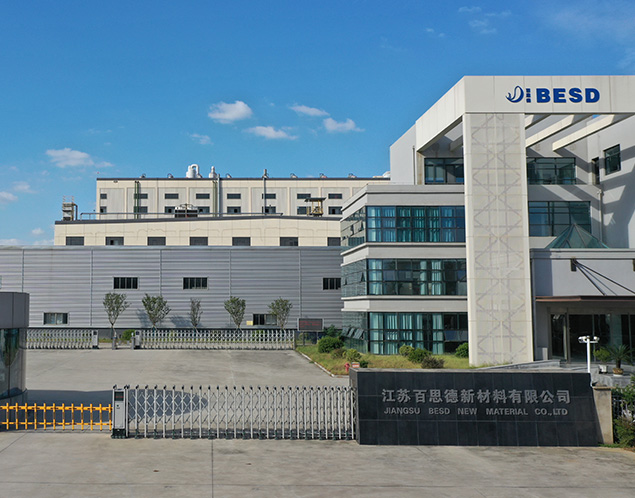
Resinas de poliéster sin TGIC para recubrimientos en polvo curados con HAA Resinas de poliéster con funcionalidad hidroxilo diseñadas para curar con agentes de hidroxialquilamida (HAA), lo que proporciona una ruta libre de TGIC con una resistencia a la intemperie comparable en exteriores para formulaciones sostenibles de recubrimientos en polvo para exteriores. Ver producto → BESD ha producido resinas de poliéster desde 1998 y hoy tiene una capacidad anual de 100.000 toneladas desde su planta en el Parque Industrial Químico de Yangzhou, respaldada por sistemas certificados ISO9001 e ISO14001 y personalización ODM/OEM para clientes cuyas formulaciones necesitan valores de acidez, viscosidades o comportamientos de curado específicos. Para los compradores que comparan proveedores de resina, esa combinación de escala y capacidad de ajuste es lo que convierte el equilibrio resina-aditivo de una restricción a una herramienta de diseño.
La resina es aproximadamente el sesenta por ciento de un recubrimiento en polvo y define cada propiedad básica; el paquete de aditivos es un pequeño porcentaje que decide si la superficie realmente luce y dura según lo diseñado.
Escenarios de aplicación y puntos de selección
La selección comienza desde la aplicación, no desde el catálogo de aditivos. Un poste de cerca y la carcasa de una silla de oficina pueden usar productos químicos similares en papel, pero uno enfrenta décadas de exposición a los rayos UV y el otro enfrenta contacto, abrasión y productos químicos de limpieza. La siguiente tabla emparejada contrasta los dos tipos de programas más comunes que vemos en productos con recubrimiento en polvo y las decisiones de formulación que se derivan de cada uno.
| Programas de interior | Programas al aire libre |
|---|---|
| Mobiliario de oficina, electrodomésticos, estanterías y carcasas para equipos de comunicación. | Cercas de jardín, materiales de construcción, instalaciones de tráfico, componentes de automóviles y equipos de fitness. |
| Dureza, resistencia química y a las manchas, y rentabilidad | Retención de brillo y color, resistencia a la tiza y protección contra la corrosión. |
| Enfoque de formulación: química híbrida de epoxi y poliéster con un paquete de aditivos magros | Enfoque de formulación: poliéster resistente a la intemperie con curado TGIC o HAA más un paquete de aditivos orientados a los rayos UV |
Cualquiera que sea el programa, se aplican cuatro criterios de selección a cualquier aditivo para plásticos:
- Cumplimiento normativo: las normas de contacto con alimentos, las restricciones REACH y los límites RoHS sobre metales pesados deben documentarse antes de realizar el pedido, no después.
- Compatibilidad térmica: cada aditivo debe sobrevivir a la temperatura real de procesamiento sin descomponerse ni volatilizarse.
- Comportamiento de migración: los aditivos que florecen en la superficie pueden empañar las piezas adyacentes, pegar películas o imprimir mal meses después.
- Gestión de interacciones: dos aditivos individualmente excelentes pueden neutralizarse entre sí o atacar al polímero cuando se combinan.
El último criterio es el menos indulgente porque sólo se revela en las pruebas. Aquí es también donde el fabricante de resina gana un lugar en la conversación: saber cómo responde una determinada plataforma de poliéster a los agentes de flujo, los agentes desgasificantes y la carga de pigmentos acorta el camino desde la lista corta hasta la receta de producción.
Seleccione los aditivos desde la aplicación hacia atrás: el cumplimiento, la temperatura de procesamiento, la migración y las interacciones eliminan a la mayoría de los candidatos más rápido que las comparaciones de precios.
Riesgos comunes de adquisición con aditivos para plásticos
La mayoría de las fallas en la producción relacionadas con los aditivos no son fallas químicas sino fallas en la adquisición: el producto correcto se compra sin documentación, se dosifica sin calibración o se sustituye sin una prueba. La siguiente tabla enumera los modos de falla que los formuladores reportan con mayor frecuencia, junto con las salvaguardas que los previenen.
| Problema común | Cómo se ve en producción | Salvaguardia práctica |
|---|---|---|
| Sobredosis de lubricante o cera | Derrame de plancha en los rollos, turbidez y mala adherencia de la impresión | Verificar la dosificación con alimentadores gravimétricos y ejecuciones de prueba. |
| Paquete de antioxidantes con dosis insuficientes | Fragilidad y decoloración en el envejecimiento temprano en horno. | Establecer pruebas de aceptación basadas en el tiempo de inducción de oxidación. |
| Conflicto entre pigmentos y estabilizadores. | Decoloración más rápida a pesar del paquete UV añadido | Primero verifique la compatibilidad de HALS con la química de los pigmentos. |
| Aditivos sensibles a la humedad como los fosfitos. | Hidrólisis, manchas negras y bajada inconsistente | Requiere embalaje sellado, almacenamiento en seco y COA por lotes |
| Migración de plastificante | Pegajosidad superficial, empañamiento y pérdida de adherencia. | Elija tipos poliméricos o de mayor peso molecular |
| Brechas regulatorias | Envíos rechazados y rediseño costoso | Recopile los documentos de contacto con alimentos, REACH y RoHS por adelantado |
Las salvaguardias comparten un tema común: la trazabilidad. Ya sea que compre a un fabricante directo, una empresa comercial o un mayorista, insista en obtener un certificado de análisis para cada lote en lugar de solo el primer envío, y confirme quién fabrica realmente el material. Las relaciones directas con los fabricantes facilitan la auditoría de la producción, la alineación de las especificaciones y el ajuste de los productos cuando cambia su formulación, por lo que animamos a los clientes a evaluar a un proveedor de resina de la misma manera que evaluarían a un proveedor de aditivos.
Una lista de verificación compacta cubre el resto del proceso de compra:
- Pregunte si el proveedor es un fabricante directo o una empresa comercial y solicite una auditoría o una visita a la fábrica.
- Obtenga un certificado de análisis para cada lote, con muestras de retención guardadas como referencia.
- Realice pruebas a escala piloto en su sistema de resina real antes de comprometerse con pedidos por volumen.
- Confirme la documentación regulatoria para su mercado objetivo antes de realizar la orden de compra.
- Acuerde el embalaje, las condiciones de almacenamiento y la vida útil en el contrato, no por correo electrónico posterior.
- Calibre los alimentadores gravimétricos según un cronograma fijo, porque los aditivos en dosis bajas amplifican los errores de alimentación.
La trazabilidad supera al precio: la documentación a nivel de lote, la dosificación calibrada y las pruebas piloto con su propia resina previenen la mayoría de las fallas de los aditivos antes de que comiencen.
Explora más de BESD
Si el lado de la resina de este equilibrio es donde se estanca su proyecto actual, dos recursos en nuestro sitio profundizan en las decisiones que más importan.
| Lectura técnica | Desarrollo de resina personalizado |
|---|---|
| El papel principal de la resina de poliéster en los recubrimientos en polvo. Explica cómo la columna vertebral de la resina determina el rendimiento envolvente del revestimiento acabado, desde la resistencia mecánica hasta la retención del brillo. | Personalización de resina ODM y OEM Describe cómo desarrollamos resinas adaptadas al sistema de curado, método de aplicación y entorno de uso final del cliente. |
A partir de ahí, una breve conversación con nuestro equipo técnico sobre su sistema de curado, sustrato y entorno de servicio suele ser suficiente para limitar la plataforma de resina y, con ella, las decisiones sobre aditivos que siguen. Puede comunicarse con nosotros a través de la página de contacto para obtener muestras, cotizaciones o formulaciones personalizadas.
Primero arregle la plataforma de resina y el paquete de aditivos se convertirá en un conjunto de decisiones controladas y predecibles en lugar de prueba y error.


